The Ultimate Guide to Roof Maintenance: Tips From Roofing Experts
Roof maintenance is often overlooked yet vital for preserving a home's integrity. Ignoring roof care can result in significant problems, such as water intrusion and foundational deterioration. This comprehensive overview shares critical guidance from experienced roofing professionals. It addresses assessment methods, frequent issues, and weather-related maintenance strategies. Residents will gain hands-on guidance for independent roof care and understand when to consult a qualified specialist. Recognizing these critical components can avert significant repair costs, but what targeted measures should be addressed initially?
Understanding the Importance of Roof Maintenance
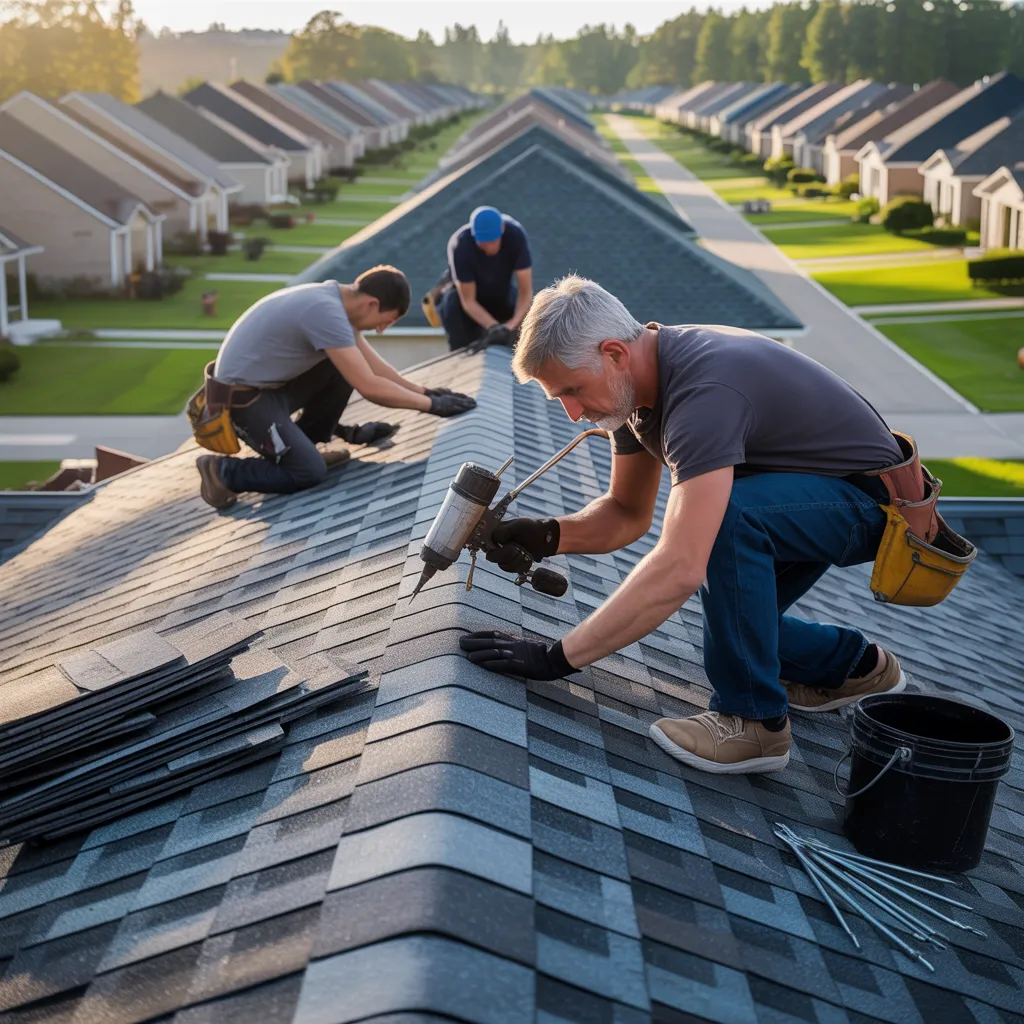
Although often overlooked, the importance of roof maintenance cannot be overstated. A properly maintained roof plays an essential role in protecting a home from environmental elements, ensuring structural integrity and extending its service life. Regular maintenance allows homeowners to detect potential issues before they escalate into costly repairs, protecting both the property and those living in it.
Ignoring proper roof maintenance can lead to leaks, mold accumulation, and deteriorating insulation, ultimately affecting your home's energy efficiency and air quality. Moreover, a deteriorating roof can lower the value of your property, creating challenges when selling your home. Routine seasonal checkups and swift repairs can reduce these potential problems, giving homeowners confidence and security.
Essential Roofing Inspection Advice for Residential Property Owners
Routine roof inspections are vital for preserving the structural integrity of a additional resource home. Homeowners are advised to perform inspections a minimum of twice annually, preferably in spring and fall, to evaluate their roof's state. It is important to look for debris buildup, which can retain moisture and encourage mold development. Furthermore, homeowners should watch for cracked or absent shingles, as these can result in water leaks.
Utilizing binoculars from street level makes it easier to detect underlying concerns without the need to access the roof. Inspecting gutters for clogs is just as critical, as obstructed gutters can cause water to back up and damage roofing materials. Observing irregular granule shedding from shingles is a key factor to evaluate, as this may indicate wear and tear. Lastly, residents should keep track of their discoveries for future reference, ensuring they stay informed about their roof's health and tackle any problems without delay.
Recognizing Typical Roofing Issues
Recognizing typical roofing issues is crucial for maintaining the integrity of a home. Homeowners should be vigilant for evidence of leaks and water infiltration, as well as absent or deteriorating shingles, which can diminish the roof's protective capability. Furthermore, the presence of moss and algae growth can indicate underlying issues that need to be addressed promptly.
Leaks and Moisture Damage
How can homeowners effectively spot leaks and water damage before they escalate into major issues? Regular inspections are key. Homeowners are advised to examine water stains on ceilings and walls, as they commonly signal underlying leaks. Additionally, damp spots in the attic or around vents can signal moisture intrusion. It's crucial to examine the roof during and after heavy rain, looking for pooling water or dripping. Homeowners are encouraged to check gutters and downspouts as well, confirming they remain clear to reduce the risk of overflow. Throughout the home, musty scents can be a sign of mold formation, which is a byproduct of long-term moisture exposure. By addressing these signs promptly, homeowners can prevent costly repairs and maintain the integrity of their roofs. Consistent maintenance is fundamental for sustained, long-term protection.
Absent or Compromised Shingles
Water damage can often be linked to missing or damaged shingles, which undermine the roof's protective covering. Homeowners should regularly inspect their roofs for indications of shingle wear, such as bending, fracturing, or shedding of granules. These issues can arise from natural aging, harsh weather, or faulty installation. Should shingles be missing, the base material is left unprotected, heightening the potential for water infiltration and further harm. It is recommended to tackle these concerns as soon as possible to copyright the roof's protective function. Substitute shingles must align with the original ones to secure a uniform appearance and reliable protection. Regular maintenance, including cleaning gutters and removing debris, can also assist in avoiding shingle deterioration and extending the roof's lifespan.
Moss and Algae Accumulation
The growth of moss and algae can stealthily damage a roof's overall condition, leading to significant problems if left unchecked. These growths flourish in moist, shaded environments and are capable of retaining moisture against roofing surfaces. As time passes, this may lead to wood decay, deteriorating shingles, and eventual leaks. Homeowners are advised to periodically check their roofs, especially in darker zones, to spot the early stages of growth. Adopting preventive strategies, including cutting back overhanging branches and maintaining proper roof ventilation, can minimize the chances of moss and algae formation. When dealing with existing growth, specialized treatments or professional assistance may be needed to rehabilitate the roof's state. Tackling moss and algae issues in a timely manner helps preserve the roof's longevity and the property's overall value.
Seasonal Tips for Roof Maintenance
As seasonal shifts occur, property owners need to prioritize roof care to ensure lasting performance and reliability. In spring, it is essential to inspect for damage from winter storms and remove any accumulated debris. This includes inspecting gutters and downspouts to verify that drainage is functioning correctly.
The summer season introduces extreme temperatures, so inspecting for cracks and evaluating ventilation is vital to stop heat from building up. As autumn arrives, residents ought to brace for dropping leaves by clearing gutters and checking for possible obstructions.
Finally, the winter season demands a comprehensive examination for ice dams and verifying that insulation is sufficient to avoid heat loss. Consistent evaluations across all seasons will assist in detecting problems sooner, minimizing the chances of significant repair expenses. By implementing these seasonal recommendations, property owners can preserve the integrity of their roofs and extend their lifespan.
DIY Roof Maintenance: Safe Practices and Tools
Managing a roof can be a satisfying DIY endeavor when approached with the appropriate tools and safety precautions. Home occupants should first equip themselves with essential gear, including a durable ladder, traction-enhanced shoes, and a safety harness. This secures secure footing and lowers the chance of falls while performing work at elevation.
Prior to starting any repair work, a thorough inspection is important. This means examining for loose shingles, accumulated debris, and any evidence of damage. Items such as a roofing rake, soft-bristle brush, and sealant gun are useful for removing debris and filling gaps.
Furthermore, working with a partner can boost personal safety; one person can focus on the task while the other monitors for hazards. Finally, it is essential to remain mindful of current weather conditions, steering clear of roof work during storms or strong gusts. By sticking to these recommended safety steps, residents can successfully copyright roof integrity while keeping dangers to a minimum.
Reasons You Need to Call a Professional Roofer?
At what point should a homeowner think about bringing in a professional roofer? Multiple indicators can signal that the help of a professional is necessary. To begin with, noticeable damage including missing shingles, leaks, or sagging sections can undermine the roof's structural integrity. Homeowners should likewise pay attention to water stains appearing on ceilings or walls, which may indicate more serious underlying concerns. Additionally, if the roof is older than 20 years, it may be time for a thorough evaluation by a professional.
Another critical indicator is the existence of moss or mold formations, which can lead to further damage if not addressed. Finally, if a homeowner feels uncertain about safely conducting repairs or does not have the required equipment, hiring a professional is the best course of action. Detecting these warning signs in a timely manner can avoid further deterioration and expensive future repairs, ensuring the longevity of the roof and the safety of the home.
Planning Your Budget for Roof Maintenance and Repairs
Proper budget management for roof maintenance and repairs is vital for homeowners seeking to preserve their investment. Allocating a dedicated percentage of a home's value annually—generally between 1-3%—can create a reliable fund for unexpected issues. Regular inspections can help identify minor problems early, often preventing costly repairs later. Property owners should take seasonal conditions into account, since specific climates may demand more regular upkeep.
Additionally, building a structured list of likely repairs enables efficient budget distribution. It's wise to secure various bids from professional roofers to learn about current pricing for various services. Homeowners should also account for the roof's age; roofs that are older typically need more consistent care. To conclude, setting aside an emergency fund for critical repairs confirms that roofing complications can be taken care of without delay, preventing further damage and safeguarding the structural integrity of the home. Sound financial preparation can considerably ease financial worry and strengthen a homeowner's overall peace of mind.
Common Questions and Answers
How Frequently Should I Arrange Professional Roof Inspections?
Professionals recommend having your roof inspected no fewer than twice per year, preferably during the spring and autumn months. This forward-thinking method helps identify potential issues early, keeping the roof in optimal shape and prolonging its lifespan.
What Materials Are Best for Roof Repairs?
Metal sheets, asphalt shingles, and rubber membranes are regarded as the top materials for roof repairs. All of these options provide durability and weather resistance, guaranteeing effective restoration and long-lasting results, based on the particular roofing requirements and environmental conditions.
Can My Roof Be Painted?
Yes, roofs can be painted, but it's essential to use appropriate roofing paint designed for the specific material. Adequate surface preparation and compliance with manufacturer guidelines provide lasting performance in maintaining the roof's structural integrity.
In What Ways Do Weather Conditions Impact Roof Maintenance?
Weather plays a significant role in roof upkeep. Abundant precipitation may result in water leaks, while strong sunlight can deteriorate roofing materials. The buildup of snow creates structural hazards, requiring routine inspections and prompt repairs to guarantee longevity and functionality of the roof.
What Warranty Options Are Available for Roofing Materials?
Various warranties for roofing materials encompass warranties from manufacturers, which generally address manufacturing defects, and workmanship warranties, ensuring correct installation. Duration and coverage depend on material selection, generally extending from 20 years up to a lifetime, depending on various conditions.